Source Joint Health Glucosamine Chondroitin Tablets for Mobility
Compare 30 verified suppliers offering joint health glucosamine chondroitin tablets with customizable formulations and certifications like GMP and ISO. Buyers can evaluate features such as sugar-free options, private labeling, and shelf life to find the best fit for their needs.
Key considerations
Products List
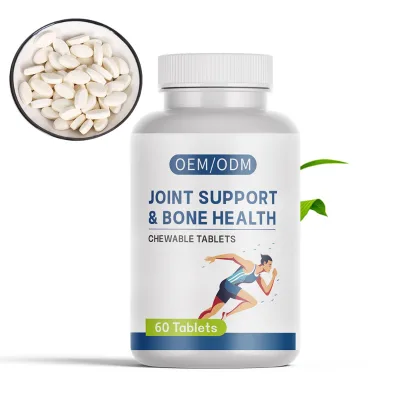
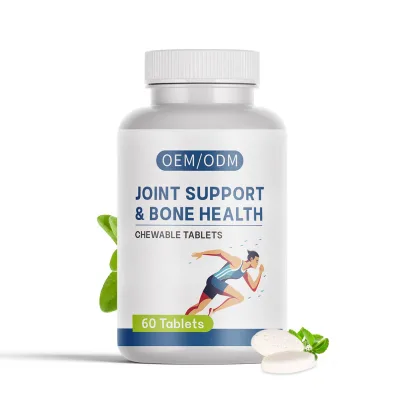


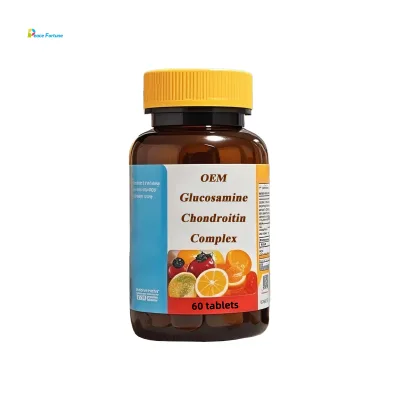

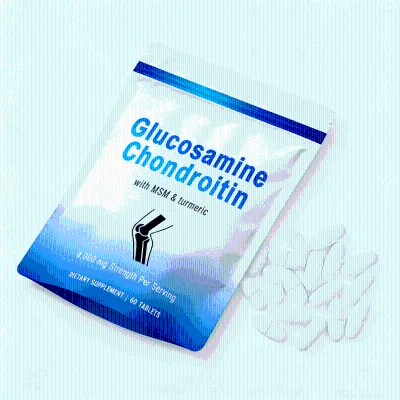




Comprehensive Sourcing Guide
Joint Health Glucosamine Chondroitin Tablets Sourcing Guide
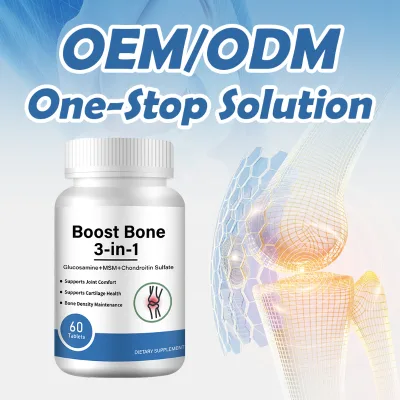
Buyers must first distinguish between the specific formulations available in the current market, as the core keyword encompasses distinct variations in active ingredients. The observed listings reveal products containing Glucosamine and Chondroitin, while others include additional compounds like MSM or UC-II® for enhanced efficacy. This variation dictates the final therapeutic outcome, requiring purchasers to align their specific joint comfort or support needs with the precise nutrient composition listed by the manufacturer.
Procurement decisions also hinge on the physical form and customization capabilities of the product. While the primary type is identified as tablets, some listings specify capsule standards or stick formats, indicating a need to verify the exact dosage form before ordering. Furthermore, the availability of private label and OEM services allows brands to tailor the product, including custom formulations and active substance content, ensuring the final item matches the intended market positioning and regulatory requirements.
Product Scope and Observed Listing Signals
The market signals indicate a wide range of customization options, with many suppliers offering private label services and custom formulations for active substances. Buyers should note that the resource base varies between natural and veggie sources, which impacts the target demographic and potential marketing claims. The gender specification ranges from unisex to female-specific products, suggesting that procurement strategies must account for the intended consumer profile when selecting a specific SKU from the available inventory.
Storage and shelf-life requirements present another critical variable in the product scope, as observed data shows shelf lives exceeding both 12 and 24 months depending on the specific item. Storage methods range from normal conditions to specific instructions requiring a cool, dry place away from light, with additional notes on mildew and insect prevention. These factors influence logistics planning and packaging selection, as the material often includes a combination of PE bags, aluminum foil, foam boxes, and cartons to maintain product integrity during transit and storage.
Technical Specifications to Verify
Verification of the active substance content is paramount, as listings indicate varying percentages such as greater than 30% or specific custom formulations. Buyers must confirm the exact dosage per unit, with observed standards ranging from 0.8g to 1g per capsule or 4g per stick, alongside a recommended daily intake of two tablets. Ensuring the nutrient composition matches the order, whether it includes Glucosamine alone or combined with Chondroitin and other compounds, prevents discrepancies between the ordered specification and the delivered goods.
The physical specifications and packaging details require rigorous checking to ensure they meet the buyer's logistical and branding needs. The product model numbers, such as Glory_T_01 or Glory_P_01, serve as unique identifiers that must be cross-referenced with the requested flavor, shape, and packaging type. Since the packaging material can vary from simple paper cartons to complex multi-layered boxes with logo printing, confirming the exact prod_packing and standard specifications is essential to avoid receiving items that do not align with the brand's presentation requirements.
Compliance and Safety Documentation
Compliance verification must extend beyond basic manufacturing standards to include a comprehensive review of all listed certifications. The observed data includes HACCP, GMP, ISO, and KOSHER certifications, with some suppliers also holding QS certification. Buyers should request valid certificates for each specific product batch to ensure that the manufacturing facility adheres to the highest safety and quality management systems, particularly since the product is classified as food and intended for adult consumption.
Safety documentation also requires attention to the specific storage notes and ingredient sourcing claims provided by the supplier. The presence of features like organic, low-fat, low-salt, and sugar-free attributes necessitates verification that these claims are substantiated by the actual ingredient analysis and production records. Additionally, the resource classification as natural or veggie must be supported by documentation to ensure the product meets the dietary restrictions and ethical standards of the target market, preventing potential regulatory issues or consumer backlash.
Cost Drivers and Commercial Terms
The cost structure is heavily influenced by the level of customization and the specific formulation complexity required by the buyer. Products with custom formulations for active substances or private label services typically command different pricing tiers compared to standard off-the-shelf items. The observed MOQ range spans from 1 to 300,000 units, meaning that the unit price will fluctuate significantly based on the order volume, requiring buyers to calculate the optimal balance between inventory holding costs and per-unit pricing.
Commercial terms must also account for the diverse packaging and shipping requirements associated with these supplements. The use of specialized packaging materials like aluminum foil and foam boxes adds to the overall cost and weight, impacting freight charges. Buyers should negotiate clear terms regarding the lead time and the specific packaging configuration, as the transition from standard cartons to custom-branded boxes with logo printing can introduce additional production steps and costs that must be factored into the final landed cost analysis.
Supplier Qualification and Quality Control
Supplier qualification should prioritize those who demonstrate a robust capacity for OEM and ODM services with a proven track record in joint health supplements. The presence of multiple certifications like GMP and HACCP suggests a baseline level of quality control, but buyers must verify the supplier's ability to maintain consistency across different product models and formulations. It is essential to assess their quality assurance protocols to ensure that the nutrient composition and active substance content remain stable throughout the production run.
Quality control measures must also address the specific storage and shelf-life claims made by the supplier. Given the observed shelf life of over 24 months for some items, the supplier must demonstrate effective quality control systems that prevent degradation, mildew, or insect infestation during storage and transport. Buyers should request test results or quality reports that confirm the product meets the specified standards, such as the 0.8g or 1g per capsule specifications, to ensure the final product delivers the promised efficacy and safety profile.
Long-Term Procurement Checks
Long-term procurement strategies require regular audits of the supplier's ability to maintain consistent product specifications and certification status. As the market evolves, buyers must ensure that the supplier continues to meet the required standards for joint health supplements, including any updates to GMP or ISO regulations. Regular re-verification of the active substance content and nutrient composition is necessary to guarantee that the product remains effective and compliant with changing market expectations and regulatory frameworks.
Sustainability and supply chain resilience are also critical factors for long-term success in this category. Buyers should monitor the supplier's resource sourcing, particularly for natural and veggie ingredients, to ensure a stable supply chain that can withstand potential disruptions. Additionally, maintaining a close relationship with the supplier regarding customization capabilities ensures that the product can adapt to new market trends, such as emerging health claims or changes in consumer preferences for organic and low-sugar formulations.
FAQs
What active ingredients are in these joint health glucosamine chondroitin tablets?
The tablets contain glucosamine and chondroitin, with some formulations including MSM or UC-II. These nutrients are selected for their role in supporting joint comfort and health. The active substance content is typically over 30 percent, ensuring effective dosing for adult users seeking natural joint support solutions.
Can I customize the formulation and packaging for my brand?
Yes, customization is available for both private label and OEM projects. You can choose custom formulations, shapes, and flavors. Packaging options include PE bags, aluminum foil, foam boxes, and cartons. This flexibility allows you to tailor the product to specific market needs while maintaining quality standards.
What certifications do the manufacturers hold for production quality?
Manufacturers typically hold HACCP, GMP, and ISO certifications. Some facilities also offer KOSHER and QS certifications. These credentials ensure that the production processes meet international safety and quality standards. This compliance is essential for buyers who require verified quality assurance for their dietary supplement products.
How should the tablets be stored to maintain shelf life?
Store the tablets in a cool, dry place away from light. The packaging is designed to be mildew-proof and insect-proof. Proper storage ensures the shelf life remains above twelve to twenty-four months. This method preserves the integrity of the glucosamine and chondroitin content for optimal efficacy.
What is the typical dosage and serving size for adults?
The recommended dose is two tablets per day for adults. Each capsule or tablet is standardized to specific weights, such as 0.8 grams or 1 gram. This dosage provides a consistent intake of joint-supporting nutrients. The product is unisex and suitable for daily maintenance of joint health.
Are there options for low-sugar or organic formulations?
Yes, various features are available including sugar-free, low-fat, and organic options. Some products are also decaffeinated and enriched with vitamins. These variations cater to diverse dietary preferences and health goals. Buyers can select formulations that align with specific market demands for clean-label supplements.